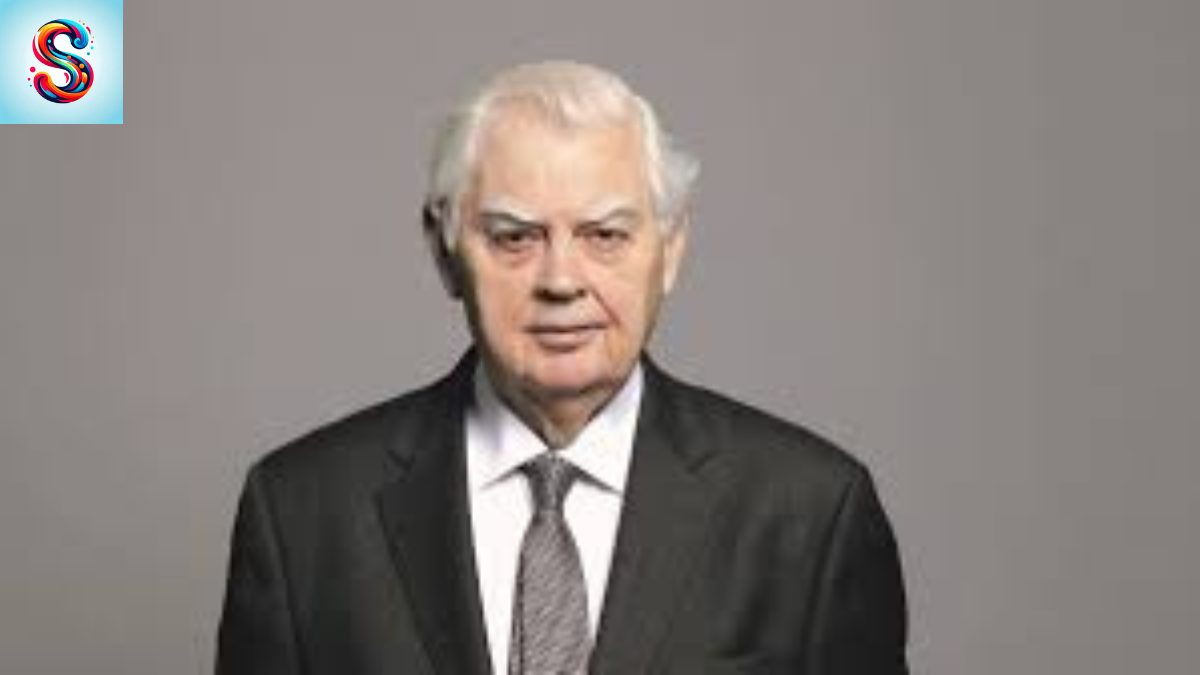
Norman Lamont: Life, Career, Controversies, and Cultural Impact in the UK
Norman Lamont is a significant figure in British politics, whose career has spanned decades and whose influence continues to be felt in the UK. Born in the Shetland Islands in 1942, Norman Lamont rose through the ranks of the Conservative Party to become Chancellor of the Exchequer, a position that placed him at the heart of the UK’s economic policy during turbulent times. His life reflects both political achievement and public scrutiny.
Throughout his career, Norman Lamont was known not only for his economic policies but also for his presence in media and cultural discourse. Public appearances, interviews, and his involvement in key policy decisions made him a household name. Beyond politics, Norman Lamont has become a subject of satire, media jokes, and public discussion, highlighting the intersection of politics and popular culture in the UK.
Early Life and Education of Norman Lamont
Norman Lamont was born on 8 May 1942 in Lerwick, the largest town in the Shetland Islands. Growing up in a family that valued education and civic duty, he displayed intellectual curiosity and leadership qualities from an early age. His early environment shaped his ambition to enter politics and engage with economic and social issues affecting the UK.
He attended Loretto School, one of Scotland’s prominent boarding schools, before studying Economics at Fitzwilliam College, Cambridge. During his university years, Norman Lamont became president of the Union, an achievement demonstrating his early engagement with political debate and public speaking. This foundation in economics and politics would later inform his decisions as a government minister and Chancellor of the Exchequer.
Political Career and Key Achievements
Norman Lamont entered politics as a Conservative MP for Kingston-upon-Thames, a role he held for over twenty-five years. During this time, he gained experience in multiple ministerial roles, including Minister for Trade and Industry and Defence Procurement. Norman Lamont’s economic expertise and pragmatic approach earned him respect among colleagues and positioned him for higher office within the government.
In 1990, Norman Lamont was appointed Chancellor of the Exchequer under Prime Minister John Major. His tenure coincided with the UK recession and the infamous Black Wednesday crisis, a defining moment that challenged the British economy and his leadership. Despite criticisms, Norman Lamont’s decisions reflected his commitment to fiscal responsibility and economic stability, leaving a lasting mark on UK economic policy.
Public Image, Media Portrayals, and Controversies
Norman Lamont’s public image has been shaped not only by his political actions but also by media portrayals. He featured in Spitting Image, a British satirical programme, which highlighted public and political perceptions of him through humour and exaggeration. These portrayals helped cement his place in British popular culture.
He was also referenced in comedy routines, most notably by Julian Clary, in jokes involving Norman Lamont that became widely known. Public speculation and commentary, including discussions about Norman Lamont being gay, contributed to his complex media persona. These discussions, whether factual or speculative, demonstrate how media and satire influenced the way the public perceived him beyond his political achievements.
Personal Life and Net Worth
Norman Lamont married Rosemary in 1971, and together they raised children while navigating his political career. Outside of politics, Norman Lamont has engaged in business advisory roles, consultancy, and speaking engagements, which have contributed to his estimated net worth. Public interest in Norman Lamont net worth remains high, reflecting both his professional success and public curiosity.
He continues to serve as a member of the House of Lords, where he participates in debates and contributes to legislative discussions. Norman Lamont’s personal life, while relatively private, shows his ability to balance family, professional duties, and public service, maintaining a respected presence within the UK political scene.
Legacy and Influence in UK Politics
Norman Lamont’s legacy is multifaceted, reflecting his contributions to economic policy, the Conservative Party, and the broader UK political landscape. His work during Black Wednesday and other economic challenges shaped the party’s approach to fiscal matters. Norman Lamont also played a role in Eurosceptic movements, supporting causes linked to Brexit and shaping public debate on the UK’s economic future.
Beyond politics, Norman Lamont’s influence extends into media and cultural spheres. Satirical portrayals, public jokes, and commentary have kept him in public discourse long after his tenure as Chancellor ended. Norman Lamont remains a figure studied for insights into the interplay of politics, media, and public perception, demonstrating the enduring impact of his career on both policy and popular culture.
Conclusion
Norman Lamont’s life and career reflect a complex blend of political achievement, public scrutiny, and cultural influence. From his early life in the Shetland Islands to his leadership roles in UK government, Norman Lamont has shaped economic policy and public debate. His legacy continues to inform discussions on politics, economics, and media representation in the United Kingdom.
Frequently asked questions
Who is Norman Lamont?
Norman Lamont is a British politician, former Chancellor of the Exchequer, and current member of the House of Lords.
What positions did Norman Lamont hold in the UK government?
He served as Chancellor of the Exchequer, Minister for Trade and Industry, and Defence Procurement Minister, among other roles.
How did Norman Lamont influence UK economic policy?
He played a key role during the UK recession and Black Wednesday, shaping fiscal policies and economic strategies.
What is Norman Lamont’s net worth?
Norman Lamont’s estimated net worth comes from his political career, advisory roles, and business engagements.
What was the Julian Clary joke about Norman Lamont?
Comedian Julian Clary referenced Norman Lamont in satirical jokes, highlighting his public persona in a humorous context.
Is Norman Lamont openly gay?
There have been rumours and public speculation, but Norman Lamont’s personal life remains largely private.
How is Norman Lamont portrayed in media and satire?
He has been featured in satirical shows like Spitting Image and media commentary, reflecting both humour and criticism.
Also Read: samuel farage