
Caroline Flint: A Political Legacy as Labour MP for Don Valley
Caroline Flint’s political career is a testament to her commitment to public service, social justice, and the well-being of the communities she served. As the Labour Member of Parliament for Don Valley from 1997 to 2019, Flint carved out a reputation as a staunch advocate for her constituents, particularly in the realms of housing and social policies. Her tenure in the House of Commons saw her rise to prominence, holding key ministerial positions, including Minister of State for Housing and Planning. Over the years, she has left an undeniable mark on UK politics, influencing policy and representing the voice of the people.
Flint’s political journey began long before her time in Parliament. Raised in Twickenham, she gained valuable experiences that set the stage for her future career. With an education from the University of East Anglia, Flint’s early political inclinations were shaped by her involvement in student politics and her commitment to addressing the social issues facing the UK. By the time she was elected MP for Don Valley in 1997, she was well-prepared to navigate the challenges of politics, setting her on a path to becoming a key figure in UK politics.
Early Life and Education
Caroline Flint’s formative years were marked by a sense of social consciousness that would guide her career. Born on September 20, 1961, in Twickenham, she was raised in an environment that encouraged activism and political engagement. She attended Richmond upon Thames College before going on to study at the University of East Anglia, where her passion for politics began to take shape. During her time at university, Flint became involved in student politics, advocating for causes such as equal rights and access to education. It was here that her desire to make a difference in society was fully realised, influencing her decision to pursue a career in politics.
Her academic journey equipped her with the tools to navigate the complex world of politics, but it was her early exposure to activism that truly shaped her character. After university, Flint worked in various roles, gaining a deep understanding of the issues facing ordinary people. This foundation laid the groundwork for her entry into the political arena, where she would go on to become the first female MP for Don Valley in 1997. Caroline Flint’s early life was a stepping stone to a career defined by her advocacy for social justice, equal rights, and economic fairness.
Political Career Beginnings
Caroline Flint’s political career began in earnest when she was elected as the first female MP for Don Valley in 1997. Her victory was significant not only for its historic nature but also for the values she brought with her to Parliament. As a member of the Labour Party, Flint was committed to creating meaningful change, particularly in areas such as housing, healthcare, and education. From the start, she focused on representing the needs of her constituents, who faced economic challenges in the industrial region of Don Valley.
Flint quickly earned recognition for her dedication to public service, and her strong work ethic allowed her to rise through the ranks of the Labour Party. She became a voice for ordinary people, advocating for policies that addressed inequality and created opportunities for all. As a Labour MP, Caroline Flint proved herself to be a dedicated representative, unafraid to stand up for what she believed in, even when faced with political opposition. Her early career was marked by a willingness to engage with the issues most pressing to her constituency, making her a respected and influential figure in Parliament.
Role as Minister for Housing and Planning
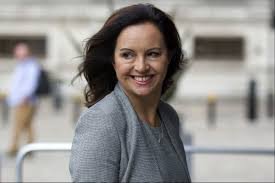
One of Caroline Flint’s most notable roles was as the Minister of State for Housing and Planning from 2008 to 2009. During her time in office, Flint was tasked with addressing the UK’s housing crisis, a challenge that had grown increasingly urgent as the population continued to rise, and affordable housing remained in short supply. Flint’s work focused on creating sustainable housing solutions that could support families and individuals in need, making housing more accessible and affordable across the country.
Under Flint’s leadership, the government introduced a range of measures to address the housing shortage, from increasing funding for affordable homes to reforming planning laws to make it easier to build in high-demand areas. Caroline Flint’s efforts were designed to ensure that housing policy worked for everyone, not just the affluent. Her tenure as Minister for Housing and Planning remains a significant part of her legacy, as she helped lay the groundwork for future policies aimed at tackling the housing crisis.
Influence in the Brexit Debate
Caroline Flint’s influence extended far beyond housing policy. As the UK’s political landscape shifted with the 2016 Brexit referendum, Flint became a key voice in the debate. Initially a supporter of the Remain campaign, Flint’s position evolved as she saw the deep divides Brexit caused in both the Labour Party and the wider UK public. She soon became a vocal advocate for a compromise deal, one that would allow the UK to leave the European Union while ensuring that the concerns of her constituents were addressed.
Flint’s role in the Brexit debate was pivotal, as she worked to bridge divides between the party’s pro-Remain and pro-Leave factions. She argued for a practical, realistic approach to the issue, one that balanced economic and social considerations. Throughout the Brexit negotiations, Caroline Flint remained a committed voice for a deal that served the interests of the UK’s workers and families. Her approach helped to shape the national discourse, and her pragmatic stance on Brexit showcased her ability to navigate complex issues while staying true to her principles.
Legacy and Contributions to UK Politics
Caroline Flint’s legacy as a politician is defined by her unwavering commitment to social justice, equality, and public service. Throughout her time in Parliament, Flint worked tirelessly to represent the people of Don Valley, advocating for policies that supported working-class families and promoted economic fairness. Her time as Minister for Housing and Planning stands as one of her most significant achievements, as she helped to shape housing policy for the better, making a lasting impact on the lives of millions.
Beyond her policy achievements, Flint’s role in the Brexit debate and her contributions to Labour Party discussions cemented her place in the annals of UK political history. As one of the most prominent women in British politics, Caroline Flint helped pave the way for future generations of female leaders. Her legacy as a trailblazer and advocate for change continues to inspire those who follow in her footsteps. While she may no longer serve in Parliament, her contributions to UK politics remain enduring and significant.
Conclusion
Caroline Flint’s political career was marked by a deep commitment to improving the lives of ordinary people. From her early days as the first female MP for Don Valley to her influential roles in government, Flint dedicated herself to making a difference. Her legacy, particularly in housing policy and the Brexit debate, highlights her influence in shaping UK politics. Caroline Flint’s story is one of dedication, passion, and a desire to serve her country, ensuring that her legacy will be remembered for years to come.
Frequently asked questions
What was Caroline Flint’s role in the Brexit debate?
Caroline Flint was initially a supporter of the Remain campaign, later advocating for a compromise deal that balanced the interests of the UK’s workers and families with the need to leave the EU.
How long did Caroline Flint serve as MP for Don Valley?
Caroline Flint served as MP for Don Valley from 1997 to 2019, playing a central role in shaping local and national policies.
What were Caroline Flint’s key achievements as Minister for Housing and Planning?
Flint focused on tackling the UK’s housing crisis by increasing funding for affordable housing and reforming planning laws to make housing more accessible for working-class families.
What is Caroline Flint’s legacy?
Flint’s legacy is defined by her advocacy for social justice, her work on housing policies, and her role in the Brexit debate, all of which made a lasting impact on UK politics.
What has Caroline Flint done since leaving Parliament?
Since leaving Parliament, Caroline Flint has remained active in public life, contributing to discussions on housing, Brexit, and politics, and inspiring future generations of leaders.
Also Read: lucy rigby